Selecting the right backpack size starts with understanding your unique body metrics—three critical measurements that dictate how a pack will sit, carry, and feel. Let’s break them down:
1. Key Measurement Metrics
First, torso length (the distance from the 7th cervical vertebra at the base of your neck to your natural waistline) is the foundation. This determines if a backpack’s back panel and suspension system (the padded straps and frame) will align with your spine. A pack that is too short may ride up, digging into your shoulders; too long, and it will sag toward your lower back, straining your core.
Next, shoulder width (measured from the outer edge of one shoulder blade to the other) impacts how comfortably the top of the straps sit across your collarbones. A pack with straps narrower than your shoulder width will dig in; wider straps may slip off or fail to distribute weight evenly.
- If you want to learn more, you can click here: Backpack Strap: The Ultimate Guide.
Lastly, chest/belly circumference (measured at the fullest part of your chest or lower ribcage) affects how well the pack’s hip belt and chest clip (if it has one) can stabilize heavy loads. A hip belt that’s too tight around your waist or a chest clip that digs into your sternum will redirect weight awkwardly, making the pack feel “unbalanced.”
- If you want to learn more, you can click here: Backpack Clips: The Ultimate Guide.
2. Male vs Female
Men and women often have distinct shoulder, torso, and hip proportions, which bag suppliers account for in their sizing.
For Female:
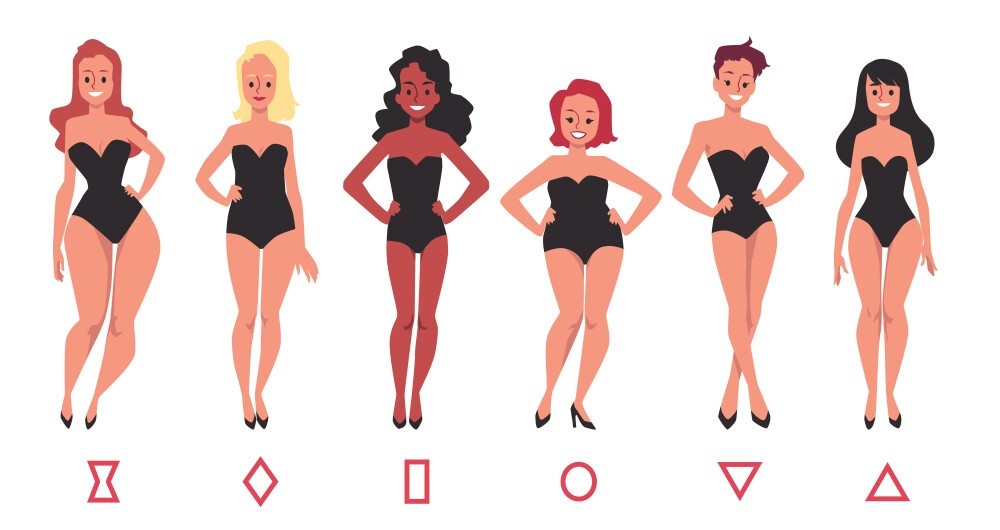
- Shoulder straps are typically narrower (to avoid over-spreading the collarbones).
- Hip belts are contoured to align with a lower, wider natural waistline (since women’s hips tend to be proportionally broader than men’s).
- Torso lengths may be shorter on average (though this varies widely—always measure first!).
For Male:
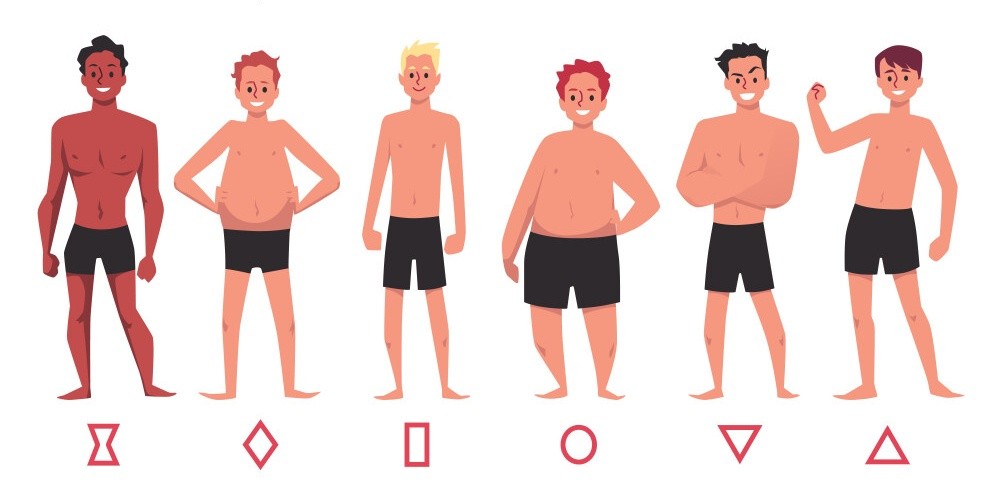
- Shoulder straps are wider and thicker (to support broader shoulders).
- Torso length ranges often span longer averages (e.g., 16–19 inches vs. 15–18 inches for women).
- Back panels may prioritize more rigid support for larger upper-body frames.
That said, these are generalizations—individual variation matters most. Always cross-reference your measurements with a brand’s size chart, not just gender labels.
3. Adults vs Kids
Adults and kids have starkly different backpack needs—largely due to growth spurts, activity types, and body proportions
Adults: Focus on Fit & Function
- For most adults, backpack size hinges on daily or occasional use (commuting, hiking, travel). As we covered earlier, daily bags land in 15–30L, while multi-day outdoor packs range from 40–80L.
- Key: measure your torso length, prioritize weight distribution (hips over shoulders), and avoid oversizing to prevent strain.
Kids: Prioritize Adjustability & Safety
- Children’s backpacks are trickier—their bodies grow fast, and they often carry lighter loads (books, snacks, small gear).
- Instead of fixating on exact liters, focus on adjustable straps. Look for 2–3 inches of adjustability to accommodate growth (most kids’ backpacks last 1–2 years with this feature).
- Want a detailed guide to kid-sized backpacks? Check out our article What Is The Best Size for Kids Backpack?—it breaks down age-by-age recommendations.
In short, Adults need size precision for function; kids need flexibility for growth. One size definitely doesn’t fit all—here or there!
Backpack Size: Match It to Your Purpose
The “perfect” backpack size isn’t one-size-fits-all—it’s deeply tied to what you’ll carry and where you’ll carry it. Let’s break down the logic by scenario, so you can match your pack to your lifestyle seamlessly.
1. Daily Use: Commute, School, or Errands
For most people, daily use means balancing functionality with portability. You’re likely packing a laptop (13–15”), a few folders, a water bottle, snacks, and maybe a jacket. The goal? A backpack that moves with you, doesn’t overburden your shoulders, and keeps essentials accessible.
Size Range: 15–30L
Why 15–30L? This range fits a 15” laptop, a tablet, a small lunchbox, and a few odds and ends without bulging. It’s lightweight (2–4kg when full) and sits close to your back, reducing strain on your neck and shoulders.
Key Features to Prioritize: A padded laptop sleeve (to protect your device), a top-loading main compartment (for quick access), and adjustable sternum straps (to pull the pack tight against your chest during commutes).
Avoid Oversizing: A 30L+ daily bag can tempt you to overpack (extra shoes, a spare umbrella, etc.), turning it into a heavy “burden” instead of a helpful tool. Stick to the essentials, and your back will thank you.
2. Outdoor Adventures: Travel, Hiking, or Camping
Outdoor use demands more from your backpack—it needs to hold gear for hours (or days) of activity, distribute weight efficiently, and withstand rough terrain. The right size here depends on how long you’ll be outdoors and what you’re carrying.
Day Trips/Hikes: 30–50L
For a single day of hiking or a short trip, aim for 30–50L. This range fits a sleeping bag (10–15L), a camp chair (5L), and snacks/water (5–10L). Look for packs with a hydration bladder sleeve (to carry water conveniently) and compression straps (to cinch down the load and keep it stable on uneven trails).
Multi-Day Backpacking/Camping: 50–80L
For overnight stays, you’ll need space for extra clothes, cooking gear, and supplies. A 50–80L pack balances capacity with manageability—any larger, and it becomes hard to maneuver (especially on steep paths). Key features: a frame sheet (rigid support to transfer weight to your hips), hip belt pockets (to store small items within easy reach), and waterproofing (rain can strike unexpectedly).
3. Niche Scenarios: Aviation, Fishing, or Specialty Needs
Some activities have unique size rules—whether it’s airline regulations or gear-specific demands.
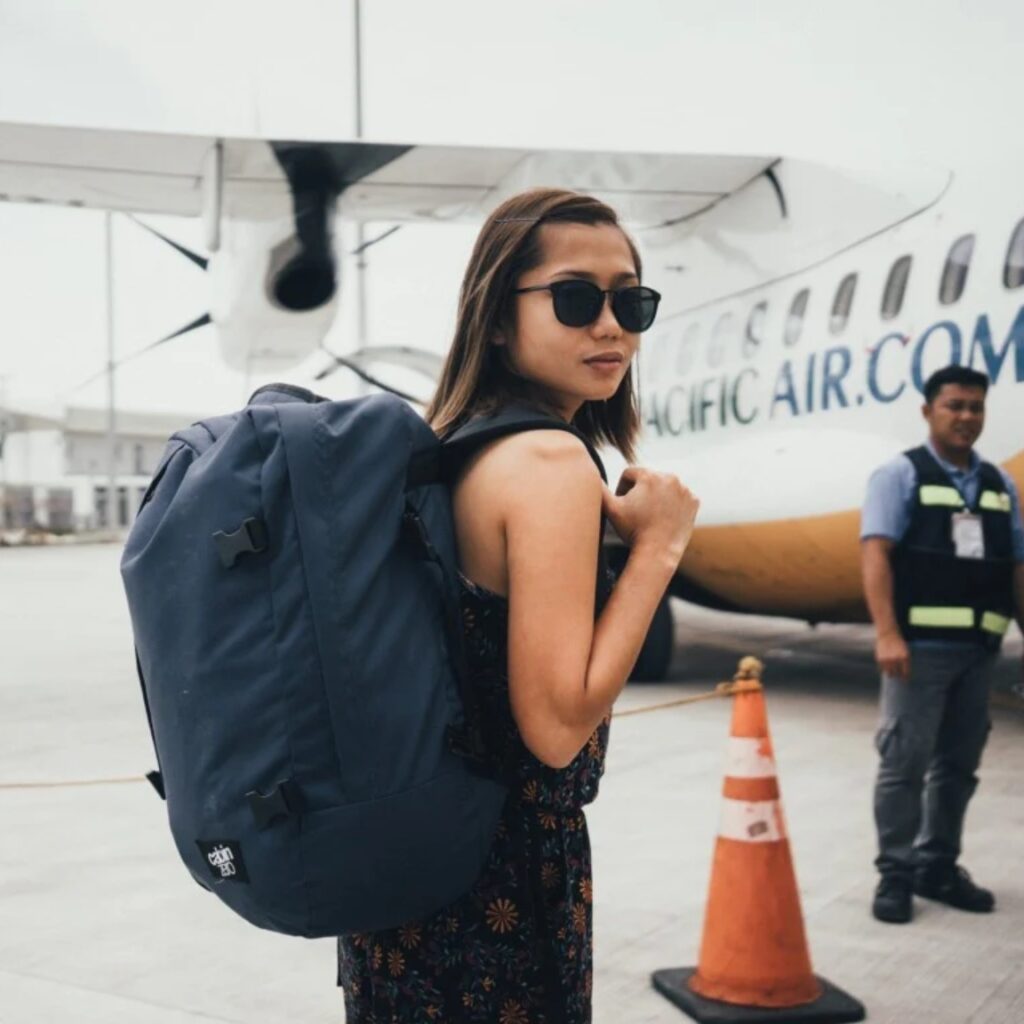
Air Travel (Carry-On): 10–20L
Stick to 10–20L—most airlines cap carry-ons at 20×40×55cm (≈18L). This size fits under seats or in overhead bins, avoiding checked-bag fees. Opt for slim packs (20L) to keep essentials (laptop, charger, snacks) accessible without bulging.
Fishing/Hunting: 30-50L
Fishing backpacks need to carry bulky gear: rods, tackle boxes, coolers, or even a portable chair. Look for external attachment points (e.g., rod holders, gear loops) and a waterproof body. A 30–50L pack with a reinforced base (to stand up to wet conditions) will keep your equipment organized and dry.
First Aid/Emergency Kits: 20-35L
Go for 20–35L—small enough to grab quickly in a crisis, but roomy enough for bandages, antiseptics, and tools (e.g., tourniquets, EpiPens). First Aid Pack (30L) uses labeled compartments for instant access.
In short, the “right” backpack size is determined by what you need to carry and where you need to carry it. By aligning your pack’s dimensions with your daily habits or adventure goals, you’ll transform it from a “container” into a purpose-built tool that works for you, not against you.
Some Using Tips
Even the best backpack won’t work if it’s not used well. Here’s how to turn size knowledge into actionable skills—so you can measure accurately, pack efficiently, and avoid buyer’s remorse.
1. How to Measure Your Backpack Size
Whether you’re verifying compliance with airline carry-on rules, prepping for a replacement purchase, or just curious about your pack’s true dimensions, accurately measuring your existing backpack is key.
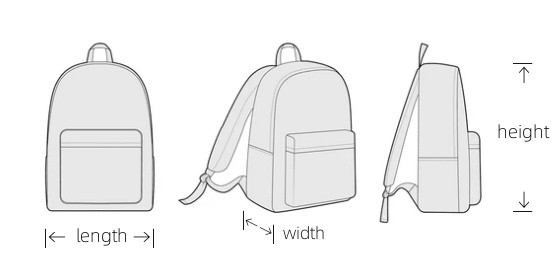
- Step 1: Use a soft tape to measure the backpack’s external length (From the left end to the right end), width (widest back panel point), and height (base to top of the back panel).
- Step 2: Use these three numbers (length × width × height) to estimate the approximate volume—just multiply them together (in cubic inches) and divide by 61.02 to get liters. This gives a rough sense of the pack’s total space (note: this is a “gross” volume, not accounting for padding or curves).
- Step 3: Note key features: number of compartments, frame type (rigid/soft), and expandability (e.g., 30L → 40L).
- Step 4: Use the data to check airline carry-on limits, compare to new packs, or confirm fit for replacement.
With these four steps, you’ll know your backpack’s true size inside and out, making it easier to decide, upgrade, or simply understand your gear better.
2. Backpack Procurement Tips
Even with measurements, buying a backpack requires caution. Watch out for these pitfalls:
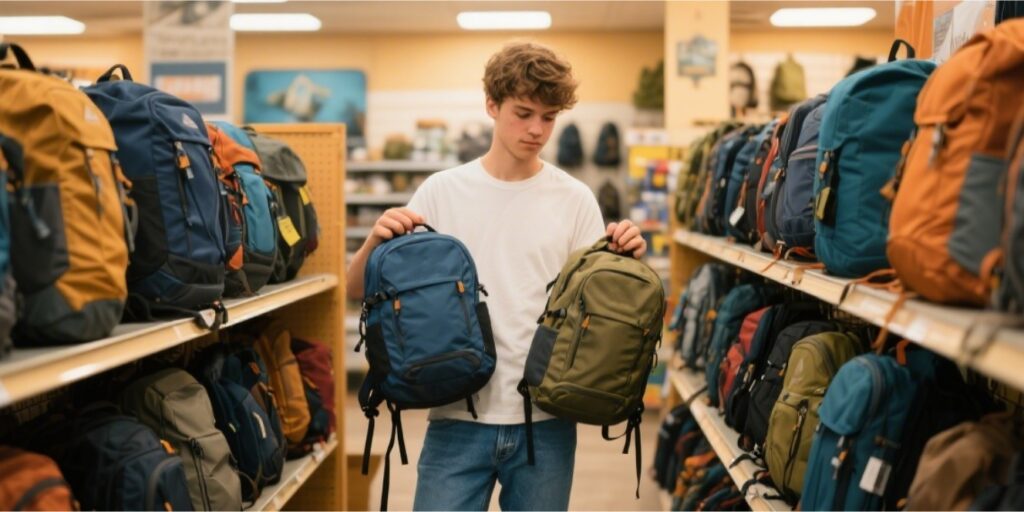
- Beware “Vanilla” Sizing Some brands advertise “universal” sizes that don’t account for torso shape (e.g., a “medium” might fit a short-torso person poorly). Always check reviews for real-user feedback on fit.
- Test Before You Buy (If Possible) Online shoppers: look for brands with free returns. When your pack arrives, load it with weight and wear it for 15 minutes—does the hip belt dig? Is the top strap choking you? If yes, return it.
- Factor in Growth (For Kids) Kids’ backpacks should have adjustable straps (2–3 inches of give) to last 1–2 years. Avoid “one-size-fits-most” kids’ packs—they’ll either be too big (causing slouching) or too small (restricting movement).
- Check the “Fine Print.” Some brands list “external dimensions” (including bulky frames) instead of “internal volume.” Ask for the internal net capacity—you don’t want to pay for empty space.
By mastering these skills, you’ll transform a “good size” backpack into a “perfect fit” tool.
3. How to Pack Your Backpack
A well-packed backpack feels lighter, balances weight, and keeps essentials accessible. You can check out the video below for tips.
The key to choosing backpack sizes
Leave A Message
If you are interested in our products and want to know more details, please leave a message here, we will reply you as soon as we can.